People moving and handling training plays a critical role in protecting both healthcare workers and the individuals they support. Every day, carers, nurses, and support staff assist people with limited mobility, often performing physically demanding tasks. Without proper skills, these actions can lead to injuries, discomfort, and loss of dignity. Structured moving and handling people training equips professionals with safe techniques, better judgement, and greater confidence. It also reinforces that moving and handling of people is a professional qualification, not just a basic skill.
Choosing a recognised moving and handling people course ensures safer care environments, stronger compliance, and improved outcomes for everyone involved in healthcare settings.
Why Is Safe Moving And Handling So Important In Healthcare?
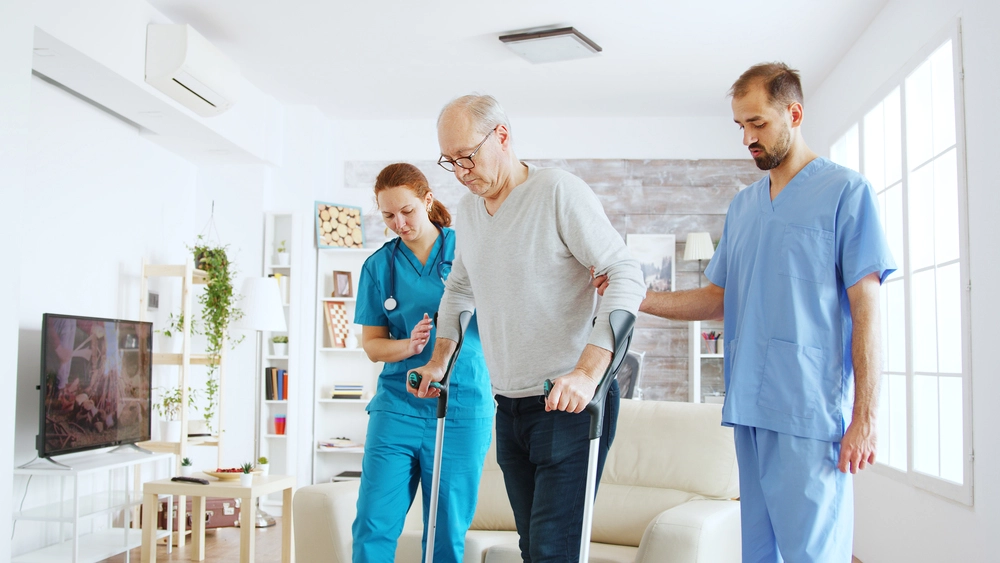
Healthcare professionals routinely assist people who may be elderly, disabled, unwell, or recovering from surgery. Even simple tasks such as repositioning someone in bed can cause serious harm if done incorrectly.
Key reasons this training is essential include:
- Reducing back injuries and musculoskeletal disorders among staff
- Preventing falls, discomfort, and distress for patients
- Supporting dignity during personal care tasks
- Ensuring compliance with workplace safety expectations
When staff complete moving and handling people training, they gain practical skills that protect their own health while also improving the experience of the people they care for. Over time, this contributes to safer workplaces and better continuity of care.
What Do You Learn In These Courses?
A high-quality programme goes far beyond basic lifting techniques. A structured moving and handling people course focuses on building both knowledge and competence. Learners typically develop skills in:
- Understanding body mechanics and posture
- Assessing individual mobility needs
- Identifying risks before attempting movement
- Using aids such as hoists, slide sheets, and transfer belts
- Communicating clearly with the person being supported
Through people moving and handling training, learners also understand why moving and handling of people is a professional qualification that reflects accountability, responsibility, and ethical practice in healthcare environments.
Who Should Complete This Training?
This training is essential for a wide range of roles, including:
- Healthcare assistants and support workers
- Nurses and midwives
- Care home staff
- Domiciliary carers
- Therapy assistants
- Anyone responsible for assisting mobility
Assisting and moving people training strengthens a worker’s credibility and employability. Employers increasingly look for candidates who have completed formal moving and handling people training rather than relying on informal experience alone.
How Does It Improve The Quality Of Care?
When staff feel confident in their skills, care quality improves naturally. People feel safer when being assisted, communication becomes clearer, and routines become more consistent. A strong moving and handling people course helps teams work together more effectively and reduces anxiety for both workers and service users.
Additional benefits include:
- Fewer staff absences due to injury
- Lower organisational risk and liability
- Better trust between carers and clients
- More personalised and respectful care experiences
Completing structured people-moving and handling training also reinforces the idea that moving and handling of people is a professional qualification, not just a routine task.
Is This Training A Legal Or Professional Requirement?
In most healthcare and social care settings, employers are expected to ensure staff are competent in safe moving practices. This is why moving and handling people training is commonly included in mandatory training frameworks.
A recognised moving and handling people course supports organisational compliance while also demonstrating that moving and handling of people is a professional qualification aligned with best practice standards. It protects not only individuals, but also organisations from avoidable incidents and complaints.
Conclusion
Safe handling is not optional in healthcare; it is foundational to professional practice. Structured moving and handling people training protects staff wellbeing, preserves patient dignity, and improves overall care quality. Completing a recognised moving and handling people course demonstrates commitment, competence, and accountability. It confirms that moving and handling of people is a professional qualification that supports long-term career development.
If you are ready to build safer skills and advance your professional credibility, Shreeji Training offers structured programmes designed to support healthcare professionals with practical, compliant, and high-quality learning.
FAQs
What Is People Moving And Handling Training?
It teaches safe movement techniques, risk awareness, and correct use of equipment to protect healthcare workers and service users.
Is Moving And Handling Of People A Professional Qualification?
Yes, recognised courses confirm competence and demonstrate that moving and handling responsibilities meet professional healthcare standards and expectations.
How Long Does A Moving And Handling People Course Take?
Most courses take between half a day and two days, depending on depth, practical sessions, and assessment requirements.
Who Should Take Moving And Handling People Training?
Anyone assisting individuals with mobility, including carers, nurses, healthcare assistants, support workers, and domiciliary care professionals, should complete training.