
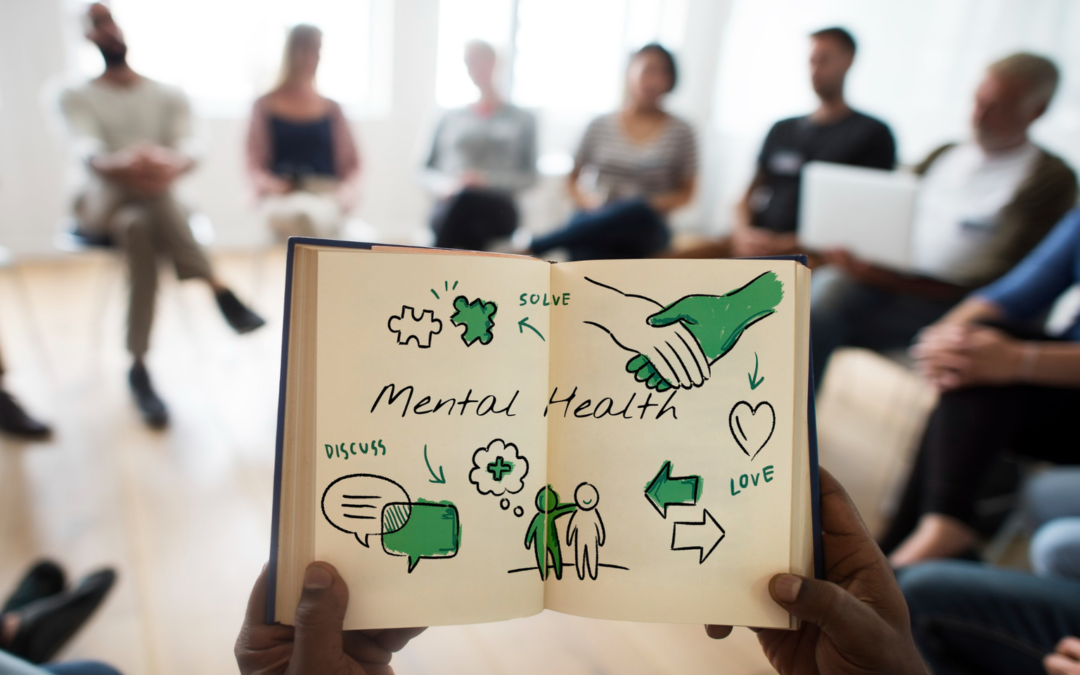
Care today is not only about physical support. It is also about emotional understanding.
Mental Health Professional Training has become essential in modern health and social care settings. Care workers regularly support individuals living with anxiety, depression, trauma, dementia-related behaviours, and emotional distress. Without the right knowledge, even good intentions can lead to misunderstandings.
Structured mental health training courses help professionals recognise symptoms early, respond calmly, and communicate appropriately. They turn uncertainty into confidence.
From residential homes to community services, workplace mental health training and specialised mental health practitioner training help teams deliver safer, more respectful care every day.
Why Is Mental Health Knowledge Important In Care Settings?
In care environments, behaviour often communicates unmet needs.
When staff are not trained, they may:
- Misread anxiety as aggression
- React defensively instead of calmly
- Miss the early warning signs of deterioration
- Provide inconsistent responses
This can escalate situations quickly.
With proper Mental Health Professional Training, staff learn how emotional distress presents itself. They understand triggers. They respond with reassurance instead of reaction.
The result;
- Fewer conflicts
- More dignity
- Better outcomes
What Do You Learn In Mental Health Training Courses?
Good mental health training courses are practical, not theoretical. They prepare professionals for real-life care situations.
Key learning areas usually include:
- Recognising common mental health conditions
- Understanding behaviour triggers
- Safe communication techniques
- De-escalation strategies
- Safeguarding responsibilities
- When and how to escalate concerns
Through structured mental health practitioner training, learners also develop skills in observation and documentation. This ensures concerns are recorded properly and passed to clinical teams when necessary.
This shifts care from a reactive to a proactive approach.
Who Needs Workplace Mental Health Training?
Mental health awareness is no longer limited to specialist clinicians.
Frontline workers encounter emotional distress daily. That includes:
- Care assistants
- Support workers
- Nurses
- Team leaders
- Community carers
- Housing and support staff
Because behaviour can change suddenly, workplace mental health training ensures teams respond consistently.
When everyone follows the same approach:
- Service users feel safer
- Staff feel more confident
- Care becomes predictable and reassuring
How Does Mental Health Professional Training Improve Care Quality?
Confidence changes everything.
When professionals understand what is happening, they stay calm. Calm responses reduce escalation.
Benefits of Mental Health Professional Training include:
- Reduced incidents and complaints
- Improved communication
- Increased cooperation during care routines
- Lower staff stress
- Stronger person-centred care planning
Specialised mental health practitioner training also strengthens teamwork. Staff shares a common language and consistent methods. That consistency builds trust.
Is Mental Health Training Now A Professional Expectation?
In many care organisations, mental health training courses are no longer optional. They are treated as core competencies.
Supporting emotional well-being is part of safeguarding responsibilities.
By implementing workplace mental health training, organisations demonstrate a clear duty of care – both to staff and to service users.
Formal mental health practitioner training strengthens professional accountability and supports safe practice standards.
Conclusion
Modern care requires emotional awareness in conjunction with physical support.
Mental Health Professional Training equips staff with the knowledge and confidence needed to respond safely and compassionately. Structured mental health training courses reduce risk, improve communication, and support more consistent care delivery.
Investing in workplace mental health training strengthens teams and protects vulnerable individuals. Completing recognised mental health practitioner training also supports long-term professional growth.
For care providers seeking practical, real-world programmes designed specifically for frontline environments, Shreeji Training offers structured learning that prepares professionals for the realities of modern care.
FAQs
What Is Mental Health Professional Training?
It teaches recognising symptoms, safe communication, de-escalation techniques, and appropriate responses to emotional distress in care settings.
Who Should Complete Mental Health Training Courses?
Care staff, healthcare professionals, supervisors, and frontline workers supporting vulnerable individuals should complete structured mental health learning.
Why Is Workplace Mental Health Training Important?
It reduces incidents, improves communication, increases staff confidence, and creates safer, more supportive care environments.
What Does Mental Health Practitioner Training Prepare You For?
It prepares professionals to identify concerns, respond calmly, document observations properly, and escalate risks when necessary.