You can pass exams, memorise protocols, and still feel completely out of your depth on your first clinical shift. It happens more often than people admit.
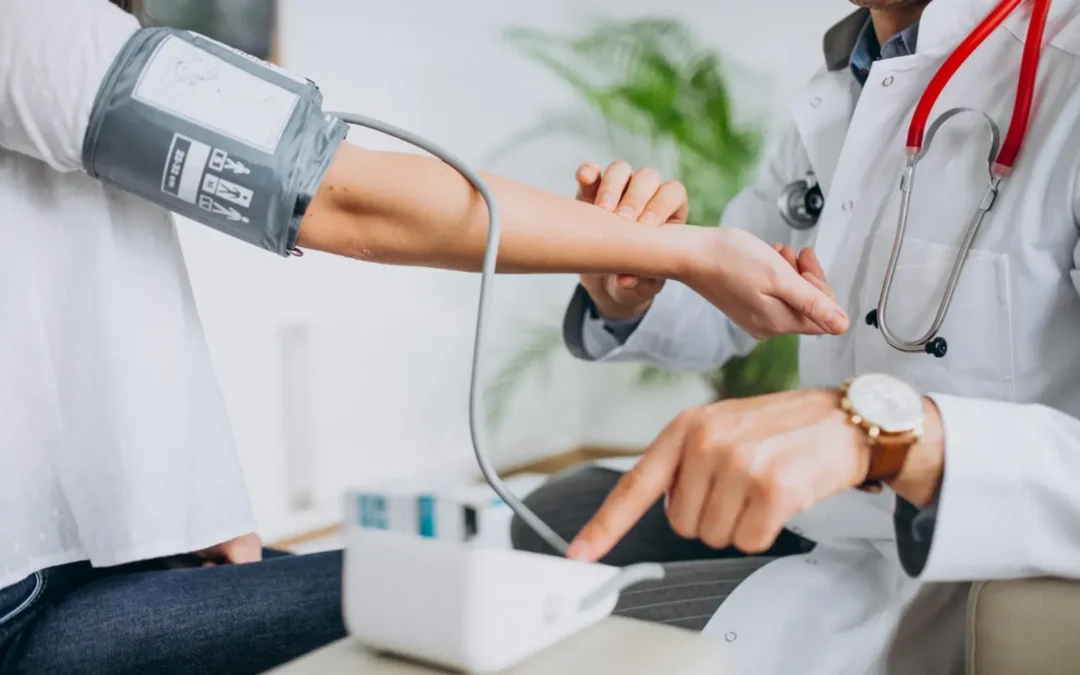
The reason is simple – healthcare isn’t learned properly from books alone. You need exposure. Real settings. Real pressure. Real people. That’s where Clinical Training makes the difference.
If you’re trying to build a career in healthcare in the UK, the question isn’t whether you need hands-on experience. It’s how you get it – and how prepared you are when you do. Because turning up isn’t enough. You need to know what you’re doing, and more importantly, why you’re doing it.
Why Hands-On Experience Changes Everything
There’s a noticeable shift when someone moves from theory to practice. You see it in how they speak, how they respond, how they think.
In a real clinical setting, things don’t pause while you figure them out. Patients ask questions. Situations escalate. Decisions matter.
That’s why Clinical Training is so valuable. It helps you:
- Stay composed when situations become unpredictable
- Communicate clearly with patients and colleagues
- Understand how procedures actually work in practice
- Build trust – something no textbook can teach
And once you’ve experienced that environment, your confidence changes. It’s not forced. It’s earned.
Where Do You Actually Get This Experience?
This is where many learners get stuck. They know they need experience – but don’t know where to begin.
NHS Placements And Structured Routes
For those aiming long-term, NHS-linked pathways offer the most direct exposure. These roles are structured, supervised, and designed to build real competence over time.
Observerships
Not hands-on – but still useful. You’re watching, learning, picking up how professionals handle real situations.
It may seem passive, but it teaches something important: how clinical environments actually operate.
Entry-Level Clinical Roles
Roles like healthcare assistants or support staff often give the first real taste of patient interaction.
It’s here that everything starts to click. What you’ve learned begins to make sense.
The Role Of Good Clinical Practice Training
Here’s something that often gets underestimated – knowing what to do is one thing, knowing how to do it properly is another.
That’s where good clinical practice training comes in. It focuses on the standards behind clinical work:
- Patient safety
- Ethical decision-making
- Accurate documentation
- Following regulated procedures
In research and trial environments, Good Clinical Practice (GCP) training isn’t optional. It’s expected.
But even outside research, it shapes how you approach responsibility. You stop guessing. You start following structured, safe processes.
A Mistake Many Learners Make
A common assumption is: “I’ll learn everything once I start working.”
That sounds reasonable – but in reality, it slows people down.
Without preparation, even simple tasks feel unfamiliar. You hesitate. You second-guess yourself. And in clinical settings, hesitation isn’t ideal.
Combining Clinical Training with structured learning like Good Clinical Practice (GCP) training means you arrive prepared. Not perfect – but ready to contribute.
What Actually Helps You Move Forward
If you’re serious about gaining experience, focus on what works – not what sounds impressive.
- Start with structured training before applying for roles
- Be open to smaller opportunities – they often lead somewhere bigger
- Pay attention during observerships (most people don’t)
- Build confidence gradually, not all at once
- Choose training that reflects real clinical expectations
There’s no shortcut here. But there is a clear path.
A Quick Reality Check
Healthcare doesn’t reward theory alone. It rewards people who can apply knowledge calmly and correctly when it matters.
That’s why those who complete proper Clinical Training, alongside good clinical practice training, tend to adapt faster. They’re not trying to figure everything out on the spot – they’ve already built a foundation.
Conclusion
Hands-on experience isn’t just another step in health care training – it’s the step that makes everything else useful. Without it, knowledge stays theoretical. With it, you start becoming capable.
The right preparation makes a noticeable difference. When you combine practical exposure with structured learning, you don’t just enter clinical environments – you function within them.
If you’re looking to build that level of confidence and readiness, connect with Shreeji Training and explore programmes designed to prepare you for real clinical situations – not just exams.
FAQs
Q1: What Is Clinical Training In Healthcare?
A: It involves gaining practical experience where learners apply knowledge in real clinical environments under supervision.
Q2: Is Good Clinical Practice Training Necessary?
A: Yes, especially in research roles, as it ensures patient safety, ethical standards, and proper clinical procedures are followed.
Q3: Can I Start Clinical Training Without Experience?
A: Yes, many entry-level roles and training programmes are designed for beginners looking to build practical skills.
Q4: Does Clinical Training Include Real Patient Interaction?
A: Yes, depending on the role, it often involves supervised interaction and participation in patient care activities.
Q5: How Do I Prepare Before Starting Clinical Training?
A: Completing structured courses and understanding basic clinical practices helps you enter training with more confidence.