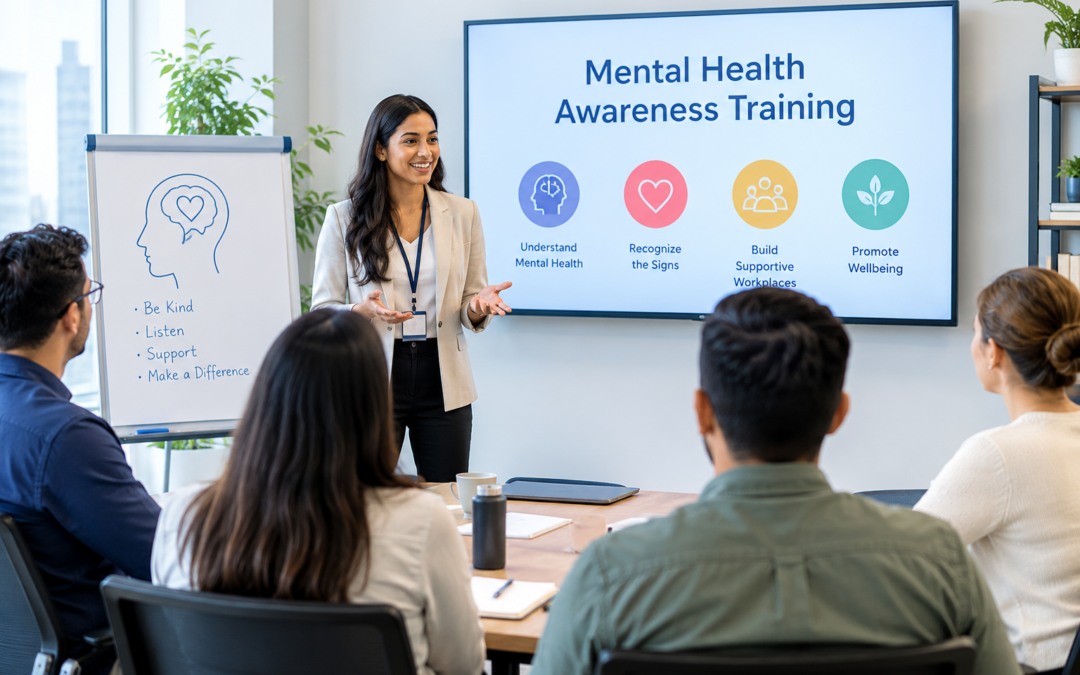
A support worker notices that someone she looks after has gone quiet. The person used to chat at breakfast, but this week they are skipping meals and staying in their room. She is not sure if it is a bad few days or something more. She does not want to say the wrong...
Your manager mentions that you need to complete Tier 2 training. Maybe you have already done Tier 1 online, and now you are not sure what comes next, how long it takes, or where to book it. If you work in care in London, this is a common point of confusion, and it is...
Adult care qualifications are structured across several levels, including Level 2, Level 3, and Leadership and Management, each designed for a different stage of a care career. Choosing the right one depends on your current experience and where you want to progress....
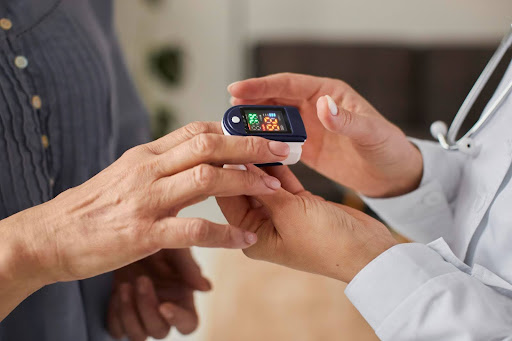
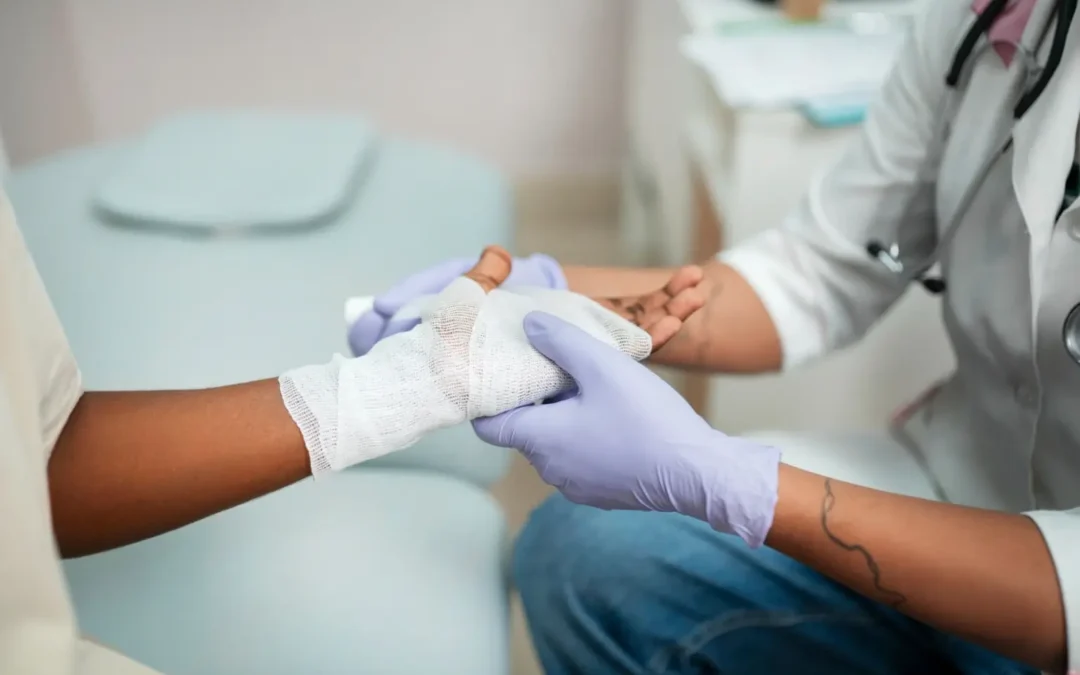
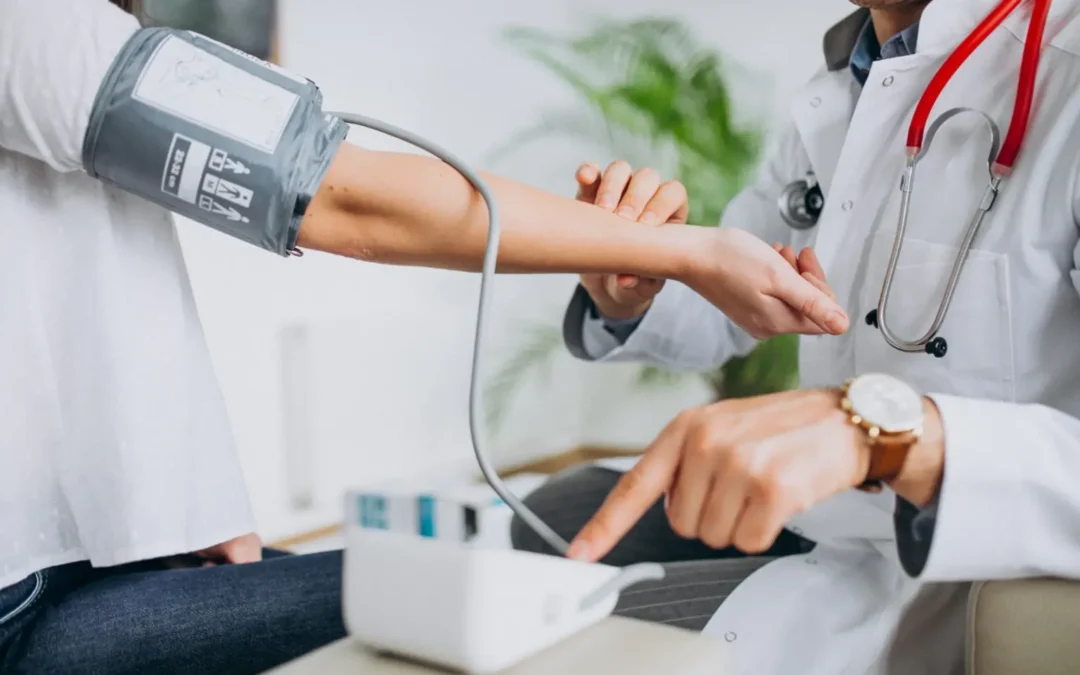
Maybe it was taking someone’s blood pressure and wondering if you actually got an accurate reading. Maybe it was helping with a wound dressing and second guessing whether you did it the right way. If you’ve ever finished a clinical task in care work and...
If you work in health or social care, chances are your manager has already mentioned Oliver McGowan training this year. Maybe you got an email about a deadline. Maybe a colleague asked if you had “done your Tier 2 yet.” And if you are still trying to...
Working in health and social care comes with a long list of responsibilities, and staying properly trained is one of the most important. Employers across the sector are required to make sure their staff complete certain courses before they can safely and legally carry...
Accidents and medical emergencies can happen at any time. They can happen at home, at work, in school, or even while travelling. In those first few minutes, the right action can make a big difference. This is why Basic Life Support training and First Aid training are...
Health and social care workers across London now carry a legal responsibility to properly understand learning disability and autism, not just as a general concept but as something that directly shapes the quality of care they provide every day. This is exactly what...
Accidents at work rarely happen because someone woke up planning to cause harm. They happen because a hazard was missed, a procedure was not followed correctly, or someone simply did not have the knowledge to spot a risk before it became a problem. This is exactly why...
Working in care means being ready to handle a wide range of physical health needs, not just providing emotional support and companionship. Carers are often the ones who spot the first signs of a health issue, assist with everyday medical tasks, and support people...