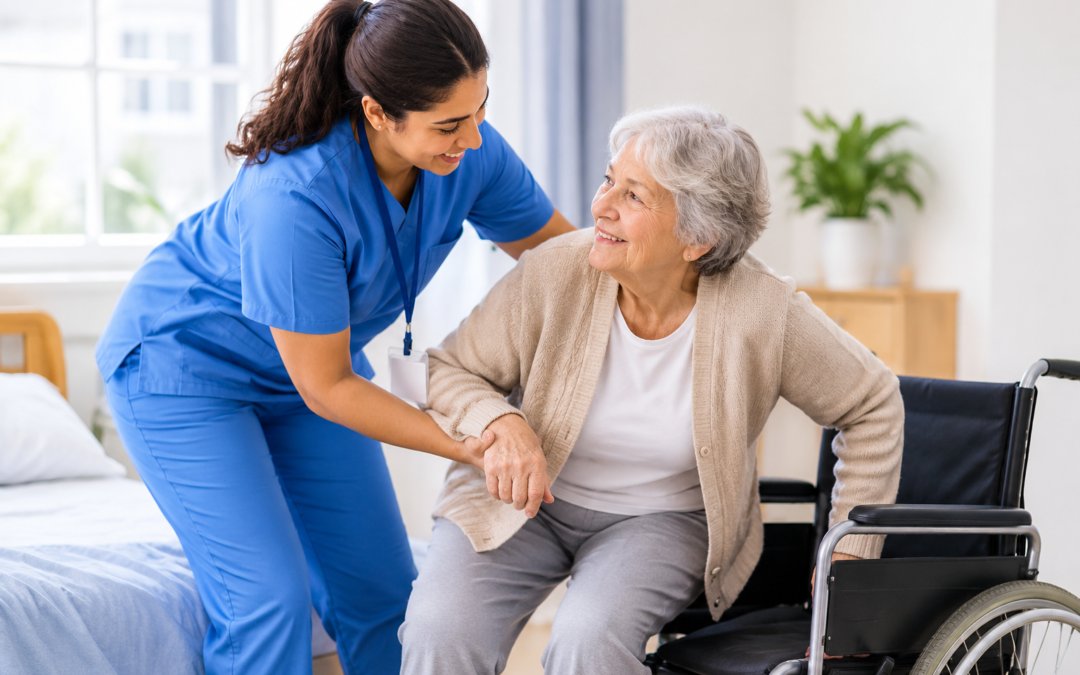
Working in health and social care can be physically and emotionally demanding. One of the biggest challenges care workers face is helping individuals who have limited mobility move safely without causing discomfort or injury. Whether it involves helping someone get out of bed, supporting them while walking, repositioning them in a chair or transferring them into a wheelchair, every movement requires proper knowledge and care.
For care assistants, nurses and support workers across London, a lack of practical moving and handling knowledge can create serious risks for both patients and staff. Incorrect lifting techniques may lead to back injuries, muscle strain, falls and unnecessary discomfort for individuals receiving care.
This is why moving and handling training in London is an important part of professional development for anyone working in a healthcare or residential care environment. With appropriate training, care professionals can develop the confidence and practical skills needed to support individuals while maintaining their safety, comfort and dignity.
Why Do Care Workers Struggle With Moving and Handling Patients?
Many care workers understand the importance of supporting individuals with limited mobility, but practical situations are not always straightforward. Every person has different physical abilities, medical conditions and mobility requirements.
For example, one individual may need only a little assistance when standing, while another may require a hoist or additional support from trained colleagues.
Some common challenges include:
- Helping patients move from beds to chairs without causing discomfort.
- Supporting elderly individuals who struggle with balance.
- Repositioning patients who cannot move independently.
- Choosing the correct equipment for different mobility requirements.
- Preventing back injuries caused by repeated lifting and incorrect posture.
Without suitable knowledge, these everyday responsibilities can become difficult and potentially dangerous.
Completing assisting and moving people training helps care professionals understand how to approach these situations safely instead of relying on guesswork or physical strength.
How Can Moving and Handling Training Prevent Workplace Injuries?
Back pain and musculoskeletal injuries are common concerns among healthcare professionals. Repeatedly lifting, pulling or repositioning individuals without suitable techniques can place considerable pressure on the body.
Proper manual handling training for care workers focuses on recognising potential risks before carrying out a movement.
Participants learn the importance of maintaining a stable posture, understanding body mechanics and avoiding unnecessary strain. They also develop an understanding of how different movements can affect their physical health over time.
For care workers in London hospitals, nursing homes and home care services, these skills are particularly valuable because daily responsibilities often involve supporting individuals with different levels of mobility.
Training also helps workers recognise when a task requires additional assistance or specialist equipment rather than attempting to complete it alone.
What Skills Should You Learn Through Assisting and Moving People Training?
A suitable training programme should cover more than basic lifting instructions. Care professionals need to understand the reasons behind safe moving practices and how to apply them in different working environments.
Here are some important areas covered through patient moving and handling training.
1. Understanding Manual Handling Risks
Before assisting someone, care workers need to recognise the risks associated with lifting, pushing, pulling and repositioning.
Training introduces common workplace hazards and explains how incorrect handling can affect both the individual receiving care and the professional providing assistance.
2. Carrying Out Risk Assessments
Not every patient can be moved using the same technique. Their mobility, physical condition, ability to cooperate and surrounding environment must be considered.
Through manual handling risk assessment training, participants learn to identify possible hazards, assess individual requirements and select suitable methods before starting a movement.
3. Using Moving and Handling Equipment
Assistive equipment plays an important role in supporting individuals with restricted mobility.
Training introduces the appropriate use of equipment such as:
- Hoists for supported transfers.
- Slide sheets for repositioning individuals in beds.
- Transfer belts for appropriate mobility assistance.
- Wheelchairs and other mobility aids.
Understanding how to select and use these devices helps reduce unnecessary physical effort and supports safer patient transfers.
4. Supporting Patients With Everyday Movements
Care workers regularly help individuals with activities that many people perform independently.
These may include getting into and out of bed, standing, walking, sitting in a chair and changing position.
Safe patient transfer techniques help professionals provide the right level of assistance while encouraging individuals to participate in movements whenever possible.
5. Maintaining Patient Dignity and Communication
Moving someone is not simply a physical task. It also involves understanding their concerns, explaining what is happening and respecting their preferences.
Effective person centred care training principles encourage professionals to communicate clearly, seek cooperation and maintain privacy throughout the process.
This is especially important when supporting elderly individuals or people who feel anxious about losing their independence.
Why Is Moving and Handling Training Important for Care Workers in London?
London has a wide range of healthcare environments, including hospitals, residential care homes, nursing facilities and domiciliary care services.
Professionals working in these settings regularly support individuals with different physical and mobility needs. As a result, understanding safe handling practices is essential for maintaining consistent standards of care.
The Manual Handling Operations Regulations 1992 establish important responsibilities for employers regarding hazardous manual handling activities. These include avoiding hazardous handling where reasonably practicable, assessing unavoidable risks and reducing those risks.
Appropriate health and safety training for care workers helps employees understand their responsibilities and follow workplace procedures.
It also supports employers in developing a safer working environment where staff understand the importance of risk assessment, suitable equipment and appropriate handling methods.
How Does Shreeji Training Help Healthcare Professionals Develop Confidence?
Knowing that a patient needs assistance and understanding how to provide that assistance safely are two different things.
Shreeji Training provides Assisting and Moving People training designed for healthcare and social care professionals who want to strengthen their knowledge and practical abilities.
The programme covers important aspects of safe manual handling, patient mobility, risk assessment, assistive equipment and communication.
Key features include:
- Experienced trainers with practical industry knowledge.
- Practical learning and demonstrations.
- Flexible online and on site training options.
- Guidance on safe moving and handling procedures.
- A certificate following successful completion.
Whether you work in a care home, healthcare facility or community care setting in London, developing these skills can help you approach everyday responsibilities with greater confidence.
You can explore the Assisting and Moving People training course to understand how the programme can support your professional development.
Who Should Consider This Training?
This training is particularly useful for professionals whose responsibilities involve assisting individuals with mobility.
It may benefit:
- Care assistants working in residential care homes.
- Nurses and healthcare support workers.
- Domiciliary care workers providing support at home.
- Personal assistants supporting individuals with disabilities.
- Staff working in hospitals and rehabilitation facilities.
- Social care professionals involved in daily patient support.
Even experienced professionals can benefit from refreshing their knowledge and learning safer ways to manage challenging situations.
What Can You Expect After Completing the Training?
Completing moving and handling people training can improve your understanding of safe patient support and workplace responsibilities.
You can develop greater awareness of manual handling risks, understand how to assess different situations and become more familiar with suitable moving equipment.
Most importantly, the knowledge gained can help you provide support that respects an individual’s comfort, independence and dignity.
For employers, having appropriately trained staff also contributes to better workplace safety and more consistent care practices.
The training should be viewed as an important part of ongoing professional development rather than a one time activity. Workers should continue following their employer’s procedures and refresh their practical skills as required.
Frequently Asked Questions
1. What is assisting and moving people training?
It is a training programme that teaches healthcare and social care professionals how to assist individuals with mobility safely. It covers manual handling principles, risk assessments, patient transfers, positioning and the appropriate use of moving equipment.
2. Who needs moving and handling training in London?
Care assistants, nurses, healthcare support workers, residential care staff and domiciliary carers can benefit from this training. It is particularly relevant to professionals who regularly help individuals stand, walk, transfer or change positions.
3. Does the training cover the use of hoists and slide sheets?
Yes. The programme introduces assistive equipment such as hoists and slide sheets, helping participants understand their role in supporting safer patient movement and repositioning.
4. Why is manual handling training important for care workers?
It helps professionals recognise workplace hazards, understand safe handling principles and reduce the risk of injuries. It also supports patient comfort and helps maintain dignity during everyday care activities.
5. Can beginners attend assisting and moving people training?
The course is designed for healthcare and social care professionals who want to develop or improve their moving and handling knowledge. Contact Shreeji Training to confirm the suitability of the course for your experience and role.
6. Does Shreeji Training offer flexible learning options?
Yes. Shreeji Training provides flexible learning options, including online and on site training. Contact the training provider for information about available arrangements.
7. Will I receive a certificate after completing the course?
According to Shreeji Training, participants receive a certificate following successful completion of the training.
8. How can I enrol in moving and handling training?
You can visit the Shreeji Training website and explore the Assisting and Moving People course. For registration details, available dates and course information, contact the team directly.
Take the Next Step Towards Safer Patient Care
Helping someone move safely requires patience, practical knowledge and an understanding of individual needs. The right training can make everyday care responsibilities easier to manage while reducing unnecessary risks for both patients and professionals.
If you are a healthcare or social care professional looking to improve your skills, consider assisting and moving people training in London with Shreeji Training.
Visit the course page to learn more and take a positive step towards safer, more confident and dignified patient care.