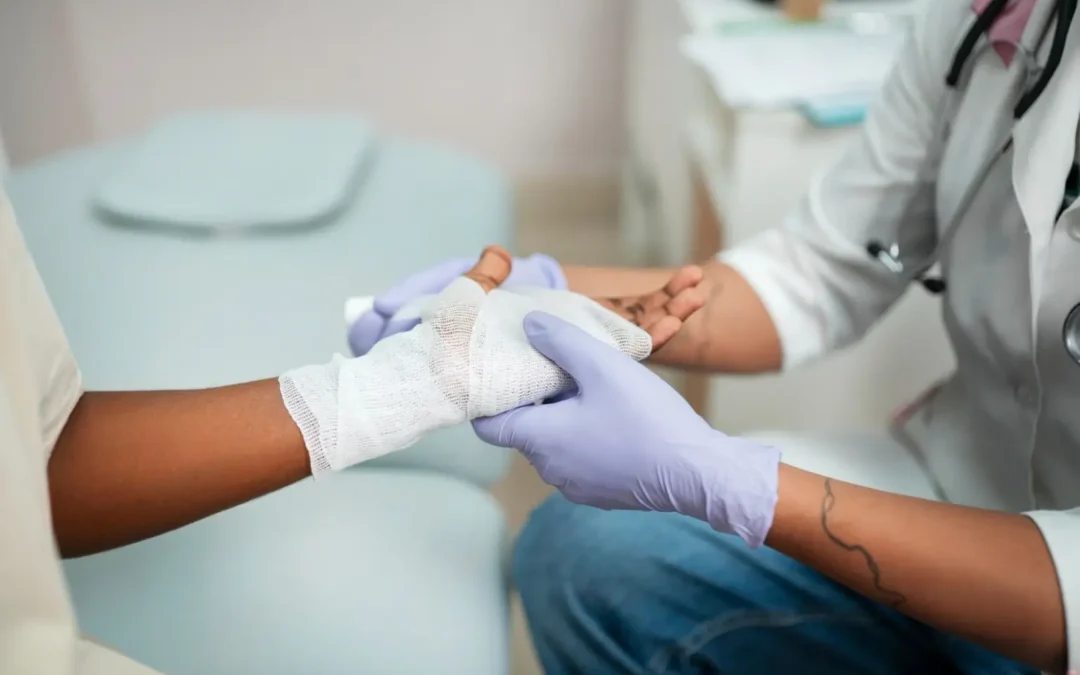
Burn injuries are rarely straightforward. A minor-looking burn can worsen within hours if handled incorrectly. That’s the reality many healthcare professionals face. Yet, not everyone receives the depth of training needed to manage these cases confidently.
This is where burn wound care dressing training in the UK makes a real difference. It goes beyond basic first aid and focuses on accurate assessment, correct dressing selection, and safe clinical practice. For professionals working in fast-paced environments, having this knowledge is not optional – it’s essential.
Whether through structured burn care training courses in the UK or more specialised advanced burn management training in the UK, the right training improves patient outcomes and builds professional confidence in handling complex wound care situations.
Why Burn Care Training Matters More Than You Think
Burns are not just surface injuries. They evolve. A superficial burn can deepen if not managed correctly – a process known as burn wound conversion.
Without proper training, professionals may:
- Use inappropriate dressings
- Delay correct treatment
- Increase the risk of infection
- Cause unnecessary pain during dressing changes
With burn wound care dressing training in the UK, clinicians learn to act early and correctly. That early intervention often determines whether a patient heals quickly – or faces complications.
Better Clinical Decisions, Faster
One of the biggest benefits of structured training is decision-making under pressure.
Imagine a patient arriving with a partial-thickness burn. Do you use hydrocolloid dressing? A foam? Something antimicrobial?
Training answers these questions.
Through burn care training courses in the UK, professionals learn how to:
- Accurately assess burn depth and severity
- Select appropriate modern dressings (including silver-based options)
- Apply non-adherent dressings to minimise trauma
- Monitor wounds for early signs of deterioration
This level of clarity reduces hesitation – and in healthcare, hesitation can cost time.
Infection Control: Where Training Pays Off Immediately
Burn wounds are highly vulnerable to infection. Even a small lapse in technique can introduce bacteria.
This is where advanced burn management training in the UK becomes particularly valuable. It reinforces:
- Aseptic dressing techniques
- Proper wound cleaning protocols
- Use of antimicrobial dressings when needed
- Safe handling of burn blisters
Professionals trained in these areas significantly reduce infection risks. And that directly improves recovery outcomes.
Managing Pain During Dressing Changes
Here’s something often underestimated – burn dressing changes can be extremely painful.
Without training, staff may focus only on the wound, not the patient experience.
With burn wound care dressing training in the UK, professionals learn how to:
- Prepare patients before procedures
- Use techniques that minimise discomfort
- Choose dressings that reduce adherence to the wound
- Work efficiently without rushing
It’s a small shift in approach, but it makes a huge difference to patient trust and cooperation.
A Common Misconception: “Basic First Aid Is Enough”
It’s not. First aid is critical in the first few minutes – but it does not replace clinical knowledge. Many assume that once a burn is cooled and covered, the job is done.
In reality, that’s just the beginning. Burn care training courses in the UK address what happens next – ongoing assessment, dressing selection, infection prevention, and healing support. Without this, care can become inconsistent or ineffective.
Supporting Consistent, Evidence-Based Care
Healthcare settings rely on consistency. Patients should receive the same standard of care regardless of who treats them.
Training ensures alignment with UK clinical guidelines. Through advanced burn management training in the UK, professionals develop a shared approach to:
- Wound assessment
- Care planning
- Dressing techniques
- Documentation and follow-up
This consistency improves outcomes and strengthens team coordination.
Real-World Impact In Healthcare Settings
In practice, trained professionals:
- Respond faster to burn injuries
- Make informed dressing choices
- Reduce complications and hospital stays
- Improve patient comfort during recovery
You’ll notice the difference immediately. Teams become more confident. Patients recover more smoothly. And care feels more controlled, less reactive.
Conclusion
Burn care is one of those areas where small mistakes can lead to serious consequences. The right training doesn’t just improve skills – it changes how professionals approach care altogether.
From better dressing choices to improved infection control and patient comfort, the impact is clear. If you’re working in clinical or care settings, investing in this knowledge is a practical step forward.
To strengthen your expertise and deliver safer, more effective wound care, connect with Shreeji Training today and explore specialised programmes designed for real clinical environments.
FAQs
Q1: Who Should Take Burn Wound Care Dressing Training?
A: Nurses, healthcare assistants, paramedics, and clinical staff involved in wound care can benefit from structured burn care training programmes.
Q2: What Types Of Dressings Are Covered In Training?
A: Training includes modern dressings such as hydrocolloids, foams, and antimicrobial options used for different burn severities.
Q3: How Does Training Help Prevent Burn Infections?
A: It teaches aseptic techniques, proper wound cleaning, and correct dressing selection to reduce infection risks.
Q4: Is Advanced Burn Management Training Necessary For All Staff?
A: Not always, but it is highly beneficial for professionals handling complex or high-risk burn cases regularly.
Q5: Can Burn Care Training Improve Patient Comfort?
A: Yes, it helps professionals use techniques and dressings that reduce pain and improve the overall treatment experience.