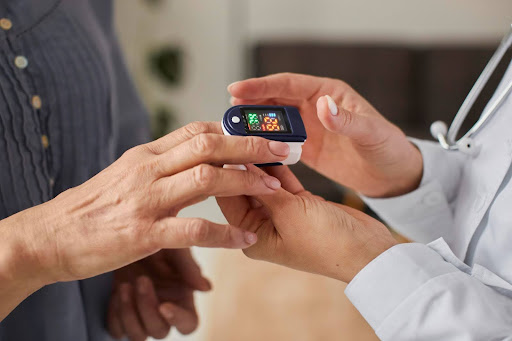
Maybe it was taking someone’s blood pressure and wondering if you actually got an accurate reading. Maybe it was helping with a wound dressing and second guessing whether you did it the right way. If you’ve ever finished a clinical task in care work and just hoped it was correct rather than actually knowing it was, you’re definitely not alone.
Why This Feeling Comes Up So Often
Care work involves a lot more clinical responsibility than people expect going in. You’re not just supporting someone emotionally or helping with daily tasks, you’re often directly involved in things that affect someone’s physical health, sometimes with very little room for error. Proper clinical training exists specifically to close that gap between doing something and actually knowing you’re doing it correctly.
This uncertainty isn’t usually about a lack of care or effort. It’s about not having had the proper foundation to begin with. A lot of care staff pick up clinical tasks informally, watching a colleague once or twice and then being expected to replicate it, which naturally leaves gaps in understanding the why behind what they’re doing, not just the what.
What Proper Training Actually Fills In
This is where things start to make a real difference. Good clinical skills training doesn’t just show you the steps, it explains the reasoning behind each one, which is what actually builds confidence rather than just memorised routine. Understanding why a blood pressure reading needs to be taken a certain way, or why a wound needs to be handled in a specific order, means you can adapt when a situation doesn’t go exactly as expected, rather than freezing because you only know one rigid sequence.
Here’s a practical example of why this matters. Someone who’s only been shown how to take vital signs without understanding what the numbers actually mean might record a reading and move on, even if it’s genuinely concerning. Someone properly trained understands what those numbers indicate, which means they’re far more likely to notice something’s wrong and know what to do next, rather than just completing the task and walking away.
Why This Matters Specifically for Care Staff
Support workers and healthcare assistants often carry a surprising amount of clinical responsibility, even without a full nursing background. This is exactly why clinical skills training for care staff is built differently from general medical education, focusing specifically on the tasks care staff are actually expected to perform day to day, like monitoring vital signs, supporting mobility safely, managing infection control properly, and recognising early warning signs that something isn’t right.
This targeted approach matters because care staff don’t need a medical degree’s worth of theory, they need practical, applicable knowledge for the specific responsibilities they’re actually handling on shift.
A Realistic Look at How This Plays Out
Picture two support workers doing the same job. One has picked up clinical tasks informally over time, shown once by a colleague and left to figure out the rest through repetition. The other has gone through proper training and actually understands the reasoning behind what they’re doing.
When something slightly unusual comes up, like a client’s breathing sounding different than normal, the first worker might not think much of it, since it wasn’t part of what they were originally shown. The second worker, having actually understood the why behind monitoring vital signs, recognises this as something worth flagging immediately. That difference in response isn’t about one person caring more, it’s entirely about one of them having the proper training to actually notice and act on it.
Why This Also Covers Emergency Situations
Clinical competence isn’t only about routine daily tasks, it also matters in the moments that require quick, confident action. This is closely tied to basic life support training, since knowing how to respond in the first few critical minutes of a medical emergency can genuinely make the difference in an outcome. A lot of care staff who feel uncertain about routine clinical tasks feel even more uncertain about emergencies, which is exactly why building both skill sets together makes sense rather than treating them as completely separate areas.
Why This Isn’t Just About Ticking a Box
A lot of workplace training gets treated as something to get through quickly rather than something that actually changes how confident you feel on shift. Proper clinical training should leave you feeling genuinely capable, not just technically compliant with a requirement. If you walk away from training still unsure how you’d handle a real situation, something about that training didn’t actually work, regardless of whether you got a certificate at the end of it.
This distinction matters a lot in practice. Confidence built from real understanding holds up under pressure, while confidence built from just memorising steps tends to fall apart the moment something doesn’t go exactly as expected.
What Good Training Should Actually Feel Like
Quality training doesn’t rush through content just to cover everything on a checklist. It gives you space to actually understand each skill, ask questions, and practice until it genuinely makes sense, not just until the session’s over. Good trainers explain reasoning clearly and use real scenarios you’re likely to encounter, rather than sticking purely to abstract theory that’s hard to apply once you’re actually on shift.
Building Confidence That Actually Lasts
The goal of proper clinical training isn’t just passing an assessment, it’s walking into your next shift knowing you can handle whatever clinical responsibility comes your way, without that nagging uncertainty of hoping you got it right. That shift in confidence tends to carry over into how you approach the rest of your role too, not just the specific clinical tasks themselves.
Shreeji Training focuses on building this kind of genuine, practical confidence in care staff, grounding sessions in real situations you’ll actually face rather than just theory that sounds good on paper but doesn’t translate to the job.
FAQs
1.Do I need a medical background to take clinical skills training?
No, this training is specifically designed for care staff without a formal medical background, focusing on practical, applicable skills.
2.How is this different from general first aid training?
Clinical skills training covers a broader range of ongoing care tasks, while first aid and basic life support focus specifically on emergency response situations.
3.How long does clinical skills training usually take?
Most short courses can be completed within a day or across a few sessions, depending on the specific format chosen.
4.Will I receive a certificate after completing the course?
Yes, learners receive a certificate of completion that can be added to their professional training records.
5.Is this training suitable for someone new to care work?
Yes, it’s designed to build a proper foundation for beginners while also filling gaps for more experienced staff.
6.How often should clinical training be refreshed?
It’s generally recommended to refresh this training periodically, since guidelines and best practices can be updated over time.
Get in Touch
If you’ve ever finished a clinical task on shift and weren’t fully confident you got it right, it might be time to build that confidence properly.
Shreeji Training
Website: https://shreejitraining.com/
Email:
Phone: