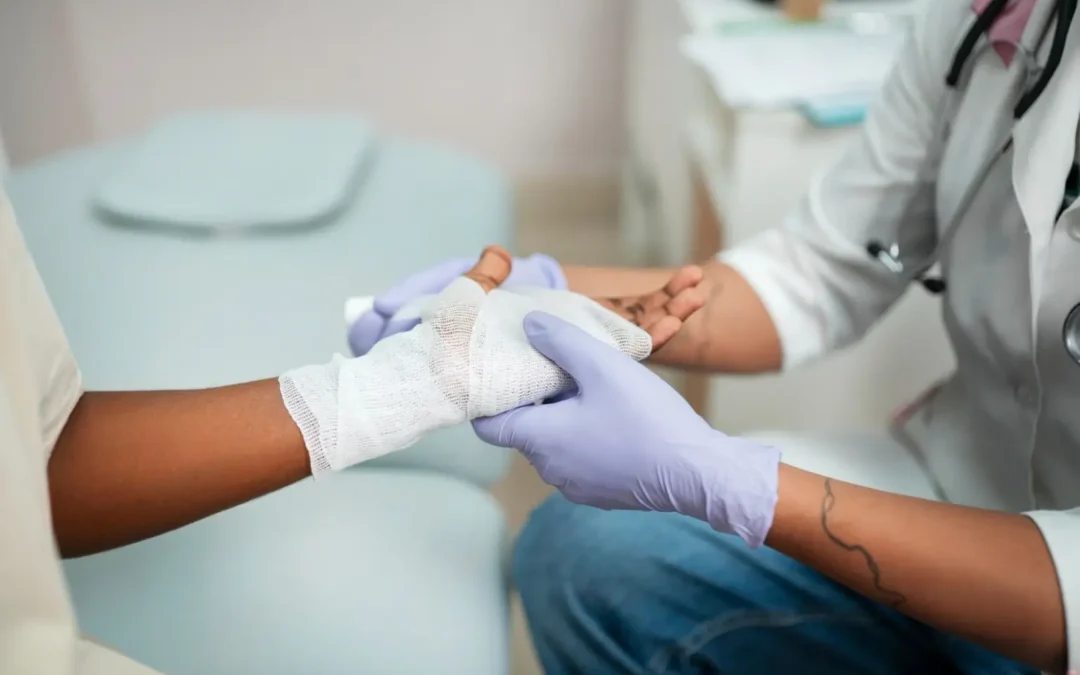
Accidents and medical emergencies can happen at any time. They can happen at home, at work, in school, or even while travelling. In those first few minutes, the right action can make a big difference. This is why Basic Life Support training and First Aid training are important skills for everyone.
Many people think only doctors or nurses need these skills. The truth is that anyone can learn them. A parent, teacher, office worker, caregiver, or student can all help during an emergency if they know what to do. Learning these skills gives you the confidence to stay calm and provide help until professional medical support arrives.
In this blog, we will explain what Basic Life Support and First Aid training include, why they matter, and how they can help in everyday life.
What is Basic Life Support Training?
Basic Life Support training, often called BLS, teaches people how to respond to life threatening emergencies. The main goal is to keep a person alive until emergency medical services arrive.
A BLS Training Course UK usually covers important life saving techniques that are easy to learn with proper practice. During the training, participants learn how to check if a person is breathing, how to respond if someone is unconscious, and how to perform CPR safely.
Some of the common topics covered in BLS training include:
Checking for danger before helping someone.
Assessing if a person is responsive.
Calling emergency services quickly.
Performing CPR on adults, children, and infants.
Using an Automated External Defibrillator (AED).
Helping someone who is choking.
These skills are useful in many situations, including heart attacks, drowning, choking, or sudden cardiac arrest.
What is First Aid Training?
First Aid training teaches people how to provide immediate care for injuries and illnesses before medical professionals take over. It focuses on preventing the condition from becoming worse and helping the injured person stay safe.
A first aid course covers a wide range of everyday emergencies. You learn how to handle cuts, burns, bleeding, fractures, fainting, allergic reactions, and other common situations.
The training also teaches you how to stay calm, assess the situation, and decide what action is needed. Even simple first aid can reduce pain, prevent infection, and protect someone’s life.
Why Basic Life Support and First Aid Are Important
Knowing what to do in an emergency can save valuable time. Every minute matters during serious medical emergencies, especially when someone stops breathing or their heart stops beating.
Here are some reasons why these courses are worth taking.
They Can Save Lives
CPR and other BLS techniques help keep oxygen flowing through the body until medical help arrives. Quick action can increase the chances of survival during cardiac arrest.
They Build Confidence
Many people panic during emergencies because they do not know what to do. Training gives you practical knowledge and confidence to respond in a calm and safe way.
They Help in Everyday Situations
Not every emergency is life threatening. First aid skills help with common injuries like cuts, burns, falls, nosebleeds, or choking.
They Support Family and Community Safety
Parents, grandparents, teachers, and caregivers often face situations where first aid knowledge is helpful. Having trained people in the community makes everyone safer.
Who Should Take a BLS Training Course UK?
A BLS Training Course UK is suitable for many people, not just healthcare workers.
You may benefit from BLS training if you are:
A healthcare assistant.
A nurse or care worker.
A teacher or childcare provider.
A parent or guardian.
A fitness trainer.
A workplace employee.
A student interested in healthcare.
Many employers also encourage staff to complete BLS training as part of workplace safety.
What Happens During a BLS Training Course?
BLS training combines theory with practical practice. Participants do not just read about CPR. They practice it using training manikins and other equipment.
A typical course includes:
Learning how to assess an emergency safely.
Practising CPR step by step.
Learning how to use an AED.
Understanding recovery position techniques.
Practising responses for choking emergencies.
By the end of the course, participants understand how to respond quickly and correctly in different emergency situations.
What is First Aid at Work Training?
First Aid at Work Training is a course designed for workplaces. It helps employees learn how to respond to accidents and medical emergencies that may happen during work hours.
Many workplaces have first aiders who are responsible for helping injured or ill colleagues until emergency services arrive.
This training is especially useful in places such as:
Offices.
Construction sites.
Schools.
Warehouses.
Care homes.
Retail stores.
Factories.
The course helps businesses create a safer working environment and prepares employees to deal with emergencies.
What Does First Aid at Work Training Cover?
The topics may vary depending on the course, but they usually include:
CPR and Emergency Response
Participants learn CPR and how to respond to someone who has stopped breathing.
Managing Bleeding
The course teaches how to control bleeding using pressure and bandages.
Burns and Scalds
You learn the correct way to cool and protect burns.
Fractures and Sprains
Training includes supporting injured limbs safely before medical help arrives.
Choking
Participants learn different methods for helping adults, children, and babies who are choking.
Unconscious Casualties
The course explains how to place someone in the recovery position while monitoring their breathing.
Medical Emergencies
It also covers seizures, asthma attacks, diabetic emergencies, allergic reactions, and heart attacks.
Benefits of First Aid at Work Training
There are many benefits for both employees and employers.
A Safer Workplace
Trained staff can respond quickly during emergencies and reduce risks while waiting for medical professionals.
Faster Emergency Response
Immediate first aid can reduce the seriousness of injuries and improve recovery.
Better Team Confidence
Employees feel more prepared to help each other during unexpected situations.
Meeting Workplace Safety Requirements
Many organisations require trained first aiders to support workplace health and safety standards.
Difference Between Basic Life Support and First Aid Training
Although the two courses are closely connected, they focus on different areas.
Basic Life Support Training | First Aid Training |
| Focuses on life threatening emergencies. | Covers a wide range of injuries and illnesses. |
| Includes CPR and AED use. | Includes burns, cuts, fractures, choking, and more. |
| Helps keep a person alive until emergency services arrive. | Helps provide immediate care before professional treatment. |
| Often required for healthcare and care staff. | Useful for workplaces, schools, families, and communities. |
Many people choose to complete both courses because they provide a complete set of emergency response skills.
Where Can You Use These Skills?
One of the biggest advantages of learning BLS and first aid is that you can use these skills almost anywhere.
For example:
Helping a family member who suddenly becomes unconscious.
Assisting someone who is choking in a restaurant.
Responding to a colleague who collapses at work.
Treating a child’s minor injury at home or school.
Providing first aid during sports or outdoor activities.
These situations can happen without warning, and training helps you respond with confidence.
How Often Should You Refresh Your Training?
Emergency response skills improve with regular practice. Many organisations recommend refreshing Basic Life Support training and First Aid training every few years, or sooner if workplace policies require it.
Refresher courses help participants:
Practise CPR again.
Learn updated first aid guidelines.
Improve confidence through practical exercises.
Stay prepared for real life emergencies.
Keeping your skills current means you are ready when someone needs help.
Tips for Responding During an Emergency
Even with training, it is important to remember a few basic steps.
Stay calm and think clearly.
Check if the area is safe before helping.
Call emergency services as soon as possible.
Follow the steps you learned during training.
Stay with the person until professional help arrives if it is safe to do so.
These simple actions can make a big difference while waiting for medical support.
Final Thoughts
Learning Basic Life Support training and First Aid training is one of the most valuable skills you can have. You never know when an emergency might happen, but being prepared means you can respond quickly and safely.
A BLS Training Course UK teaches essential life saving techniques such as CPR, using an AED, and helping someone who is choking. First Aid at Work Training goes further by preparing people to handle a wide range of workplace injuries and medical emergencies.
Whether you work in healthcare, education, business, or simply want to protect your family and community, these courses provide practical knowledge that can help save lives. Investing time in first aid and BLS training is not just about learning new skills. It is about being ready to help when it matters most.
Frequently Asked Questions
1. What is Basic Life Support training?
Basic Life Support training teaches people how to respond during serious emergencies. It usually includes CPR, use of an AED, recovery position, and how to help someone who is unconscious or not breathing.
2. What is the difference between BLS and First Aid training?
BLS mainly focuses on life threatening emergencies such as cardiac arrest and breathing problems. First Aid covers a wider range of situations, including cuts, bleeding, burns, fractures, choking, and other common injuries.
3. Who can take a BLS Training Course UK?
BLS training can be useful for healthcare professionals, carers, support workers, community workers, volunteers, and anyone who wants to be prepared for an emergency. It can also be useful for organisations that need trained staff.
4. What is covered in First Aid at Work Training?
First Aid at Work Training can cover common workplace emergencies such as bleeding, burns, fractures, choking, and unconsciousness. Participants also learn how to assess an emergency, call for help, and provide immediate care.
5. Is practical training included in the course?
Yes. Practical sessions can include CPR practice, manikins, AED training equipment, bandages, gloves, and other first aid equipment. Scenario-based activities also help learners practise responding to real-life emergencies.
6. Will I receive a certificate after completing the training?
Yes. Shreeji Training states that participants receive an accredited certificate after successfully completing the course. The certificate can help demonstrate your training to employers and organisations.
Contact Shreeji Training
If you are looking to improve your emergency response skills or want to arrange Basic Life Support and First Aid Training, you can contact Shreeji Training for more information about available courses and bookings.
Shreeji Training
CEME Main Building, CEME Campus
Marsh Way, Rainham, Essex
RM13 8EU
Phone:
Email: marketing@shreejitraining.com
Visit Shreeji Training for Basic Life Support and First Aid Training