The healthcare industry in the UK is a rapidly expanding sector of employment. As NHS hospitals, GP surgeries, diagnostic centers, care homes, and private healthcare providers continue to offer more specialized services, the need for experienced and skilled healthcare workers will continue to grow.
Within the wide range of specialist healthcare jobs available today, phlebotomy stands out as one of the more popular choices for individuals seeking to enter or further their careers within healthcare. Consequently, more people are beginning to turn to phlebotomy training courses as a practical, yet rewarding route into a healthcare role.
Whether you are seeking a fresh start within healthcare, aiming for professional development, or hoping to build on your clinical skills and knowledge, quality training can open up a multitude of career avenues for you.
At Shreeji Training we realize that learning is much more than simply acquiring a certificate. Learners are seeking practical, relevant information that will improve their employability, enhance their skills and ensure long-term career growth.
Understanding the Role of a Phlebotomist
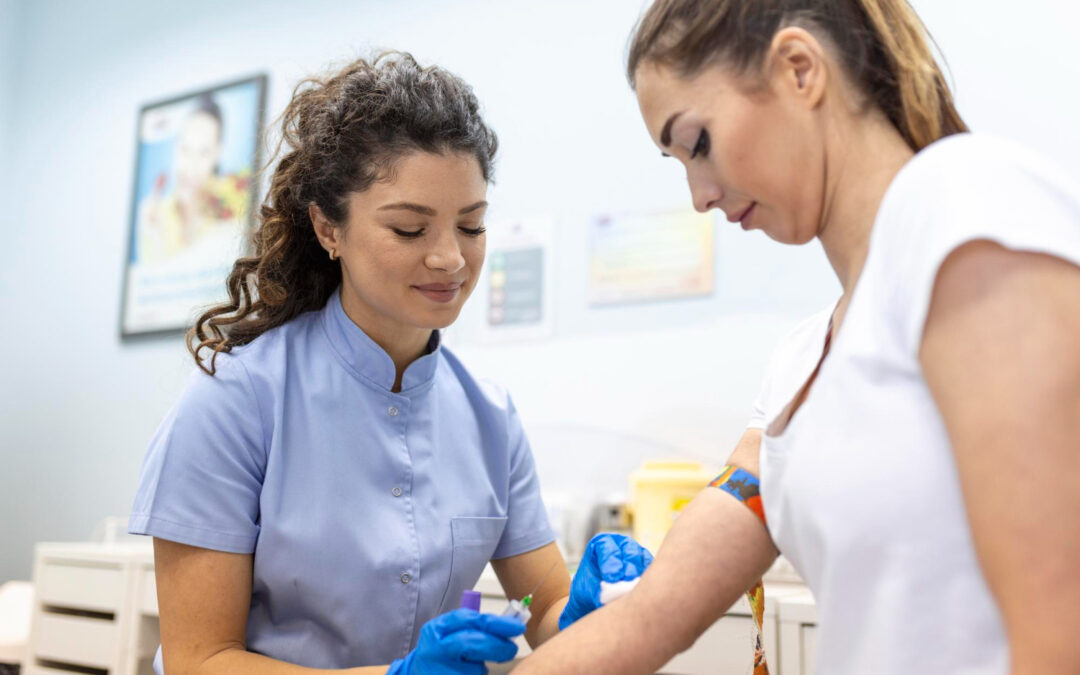
Phlebotomists draw blood samples from patients, primarily to help physicians diagnose illness, monitor treatments, and conduct research.
Although drawing blood might seem quite a simple process, it requires considerable technical skill and precision, combined with strong communication and interpersonal abilities, as well as knowledge of patient care.
Individuals, from old to young are all treated and often patients are anxious and nervous when it comes to procedures involving needles and blood, so effective and professional communication are essential.
Healthcare providers rely on efficient and precise phlebotomists as accurate blood collection has a direct impact on the reliability of the lab results and subsequent patient care and treatment.
Growing Demand for Phlebotomy Skills
Healthcare providers in the UK are experiencing increasing demand for diagnostic services. Routine health checks, the monitoring of chronic diseases, preventive healthcare programs, and advanced clinical investigations all involve blood sampling, and therefore a rise in demand for highly trained phlebotomists is observed throughout the sector.
This demand is also present beyond NHS hospitals. Private practices, community care settings, pathology labs, nursing homes, and occupational health specialists all need professionals who are proficient in phlebotomy.
As phlebotomy is one of the simplest clinical roles to gain entry to without the need for degree-level qualifications, it appeals to many who are new to the field of healthcare and wish to establish themselves within this important industry.
Why Training Matters More Than Ever
Employers are looking for well-trained candidates who can demonstrate an ability to perform their job function effectively and accurately, and although enthusiasm is good, it’s knowledge of the correct, professional procedures, infection control and handling the patient with care and competence, that helps improve standards within healthcare environments and make sure safety is maintained.
Training allows learners to gain the confidence they need to:
- Perform phlebotomy techniques
- Follow infection control measures
- Communicate effectively with patients
- Accurately handle and label blood samples
- Observe health and safety guidelines
- Maintain best clinical practice standards
- Document patient information
Confidence Through Practical Learning
One of the most crucial challenges facing new healthcare professionals is gaining confidence to carry out clinical procedures, and for many individuals, understanding concepts is one thing and practicing in a real-life situation is another.
Quality phlebotomy training courses balance theoretical and practical learning to create confident healthcare practitioners who are fully equipped for clinical environments and capable of working in hospital settings or out in the community.
Career Opportunities After Phlebotomy Training
Once a professional qualification in phlebotomy is obtained, various opportunities become available in the public and private healthcare sector.
You may gain employment in:
- NHS Hospitals
- General Practitioner Surgeries
- Community healthcare settings
- Private clinics
- Pathology Laboratories
- Blood Donation centers
- Care Homes
- Occupational health services
- Research laboratories
Many students undertake phlebotomy training courses as an introduction into the healthcare profession, as many healthcare professionals such as healthcare assistants, support workers, nursing staff and trainee nurses all enhance their skills base with phlebotomy qualifications.
This versatility is one of the greatest advantages of a career in phlebotomy.
The Vital Role of Infection Control
Infections in healthcare environments remain one of the highest priorities, as every step involved in phlebotomy, or blood collection requires knowledge of infection control practices and protocols.
Patients and healthcare professionals are both at risk of transmitting infection, and understanding procedures like hand hygiene, correct use of personal protective equipment (PPE), safe disposal of sharps, and cross-contamination prevention is fundamental to a safe healthcare setting.
Why Employers Value Certificated Training
In a competitive recruitment environment, a recognised certification is the ultimate way to stand out from other applicants.
Holding an accredited phlebotomy training course qualification not only indicates dedication to the role but will shorten learning curves and increase your chances of securing a job in the competitive healthcare sector.
Most employers believe accredited qualifications indicate that the relevant candidate has a working knowledge of industry standards and clinical expectations which ensures safer patient care and less downtime.
Supporting Professional Development in the Long Term
The field of healthcare is constantly evolving, requiring healthcare workers to update their knowledge continuously.
The phlebotomy qualification provides a strong basis for future learning and development, whether it’s a higher qualification in health support, nursing or clinical practice or it enables professionals to carry out other clinical tasks as part of their expanded skill set.
Many learners from Shreeji Training continue to enroll in further courses once their career in phlebotomy has begun.
How to Choose the Right Training Provider
When choosing your training provider for phlebotomy training courses you must look for factors such as an excellent reputation, experienced and knowledgeable tutors, courses that cover up to date techniques and that incorporate practical, hands-on training.
With the support of the training staff and relevant practical training in health-care settings, learners can confidently build their way into clinical roles.
The Growing Importance of Patient-Centered Skills
Apart from essential clinical skills, modern employers are keen to find healthcare professionals with a caring and empathetic nature, as patient comfort and trust is often the most important factor to their overall experience.
When looking at phlebotomy training courses it’s worth assessing the extent to which patient communication skills and patient centered learning are a focus.
Effective training will help individuals interact appropriately with nervous and anxious patients, explaining the procedure carefully and ensuring that blood collection is as comfortable as possible.
Why Now is a Great Time to Start
Evidence of continued high demand in healthcare recruitment continues to support the value of clinical skills for healthcare providers in the UK.
As specialist diagnostic services continue to be established in all sectors of the industry, the role of the phlebotomist becomes ever more significant and rewarding.
Phlebotomy training courses are an excellent starting point for career development and job prospects within healthcare environments. Combining a rewarding experience with career progression opportunities makes the phlebotomy profession the perfect choice right now for any aspiring health care worker.
Frequently Asked Questions
1. What is phlebotomy training courses?
Phlebotomy training courses prepare individuals to safely collect blood samples, practice safe infection control measures, learn to manage patients and uphold healthcare regulations.
2. Who is a phlebotomy training course for?
Phlebotomy training is appropriate for first-time healthcare employees, healthcare assistants, support staff and nursing professionals alike who wish to build a stronger knowledge base in their career.
3. How long do phlebotomy training courses take?
Course duration varies depending on the provider and programme structure. Some courses focus on intensive practical learning, while others include extended theory and clinical components.
4. Can phlebotomy training help me find healthcare employment?
Yes. Many healthcare employers value phlebotomy skills because blood collection is a critical part of patient diagnosis and treatment.
5. Why choose Shreeji Training?
Shreeji Training focuses on practical healthcare education designed to help learners build confidence, develop industry-relevant skills, and prepare for real healthcare environments.
Start Building Your Healthcare Career Today
If you are ready to gain practical clinical skills and explore opportunities within the healthcare sector, professional phlebotomy training courses can provide the foundation you need.
Shreeji Training
📞 +44 (0) 208 596 5047
📧 marketing@shreejitraining.com
Contact us today to learn more about our healthcare training programmes and take the next step towards a rewarding healthcare career.