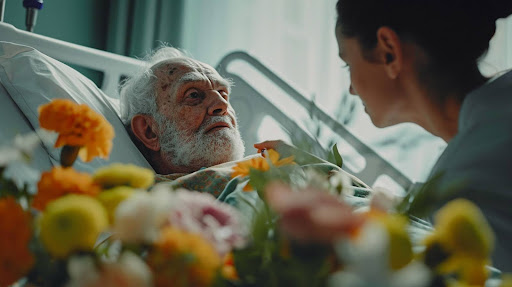
Caring for someone in their final days is one of the most meaningful things a person can do. It is a privilege, but it is also one of the hardest parts of health and social care work. Many carers, nurses, and support workers feel unprepared when they face this stage of care for the first time. They worry about saying the wrong thing, missing important signs, or not knowing how to comfort a family in distress. This is exactly why end of life courses exist, to give people the confidence and practical skills they need to support patients and families with dignity and calm.
At Shreeji Training, we believe that good care does not happen by accident. It comes from proper learning, real understanding, and a steady approach during a time that is often full of stress and emotion. Our end of life course is built for anyone working in health and social care who wants to feel more sure of themselves when supporting a dying person and their loved ones. We designed it around real situations that carers face every day, not just textbook theory.
What You Learn in the Training
Good end of life care training covers far more than medical facts. It looks at how to communicate with patients and families, how to manage pain and comfort, how to recognise the signs that someone is nearing the end of their life, and how to look after your own wellbeing while doing this kind of work. Carers also learn how to support someone through the physical changes that happen in the last days and hours, so they are not caught off guard.
The course also touches on cultural and religious needs, since every family grieves and copes in a different way. Some families want to be very involved in physical care, while others prefer to step back and let staff take the lead. Learning how to read these differences and respond with respect is a big part of becoming a confident carer. There is also a strong focus on listening skills, since sometimes the most helpful thing a carer can do is simply sit with someone and let them talk.
Many carers say that before taking end of life training, they felt unsure about what to say or do. They worried about causing more distress by using the wrong words or avoiding conversations that needed to happen. After the course, they feel calmer, more capable, and better able to give comfort rather than just carry out tasks. This shift in confidence often makes a real difference to how patients and families experience their final days together.
Why This Training Should Not Be a One Time Thing
Care practice changes over time, and so do the needs of the people being supported. What was considered best practice a few years ago may have been updated with new guidance or new ways of thinking about comfort and dignity. This is why ongoing training for end of life care matters, not just a single course taken once at the start of a career.
Teams that refresh their training regularly tend to work better together. They use the same language, follow the same standards, and support each other more naturally when things get difficult. This consistency also gives families more trust in the care being provided, since they can see that staff know what they are doing and handle sensitive moments with care.
Who Should Take This Course
This training is useful for care home staff, nurses, hospice workers, home carers, and even family members who are supporting a loved one. Whether you are new to care work or have years of experience, there is always something new to learn about supporting someone at the end of their life. Even experienced staff often say they picked up small but useful tips that changed how they approach conversations with patients and families.
Managers and team leaders also benefit from this training. Understanding what good end of life care looks like helps them support their staff better, spot signs of burnout, and make sure the whole team is working to the same standard. A well trained team is often a more settled and confident one, which benefits everyone involved, including the patients themselves.
Why Choose Shreeji Training
Shreeji Training focuses on practical, easy to understand learning. We keep our courses simple and relevant, so learners walk away with skills they can use straight away, not just theory they forget a week later. Our trainers bring real experience from the care sector, which makes the learning feel honest and grounded rather than distant or academic.
We also understand that people learning about this topic may find it emotionally heavy. Our sessions are designed to be supportive and respectful, giving learners space to ask questions and share their own experiences if they want to. This approach helps build a course environment where people feel safe to learn, rather than rushed through a checklist.
If you or your team want to build confidence in this area of care, we would be happy to help you get started.
Frequently Asked Questions
1. What is end of life care training?
It is training that teaches carers and health workers how to support people who are nearing the end of their life, along with their families, during this sensitive time.
2. Who needs this training?
Anyone working in care, nursing, or support roles, as well as family carers looking after a loved one at home, can benefit from this training.
3. How long does the course take?
Course length can vary, but most short courses are designed to be completed within a day or over a few short sessions.
4. Is this training only for nurses?
No, it is suitable for care assistants, hospice staff, home carers, and anyone involved in supporting someone at this stage of life.
5. Will I get a certificate after completing the course?
Yes, learners usually receive a certificate of completion once they finish the course, which can be added to their training records.
6. Can this training help with emotional support, not just medical care?
Yes, a large part of the course focuses on communication, comfort, and emotional support for both patients and families, alongside the practical care skills.
Get in Touch
If you would like to learn more or book a place on our course, contact Shreeji Training today. Our team is happy to answer any questions and help you find the right course for your needs.
Shreeji Training
Address:
Course Page: https://shreejitraining.com/short-courses/end-of-life-care/
Contact our team today to discuss your training requirements and book you course.